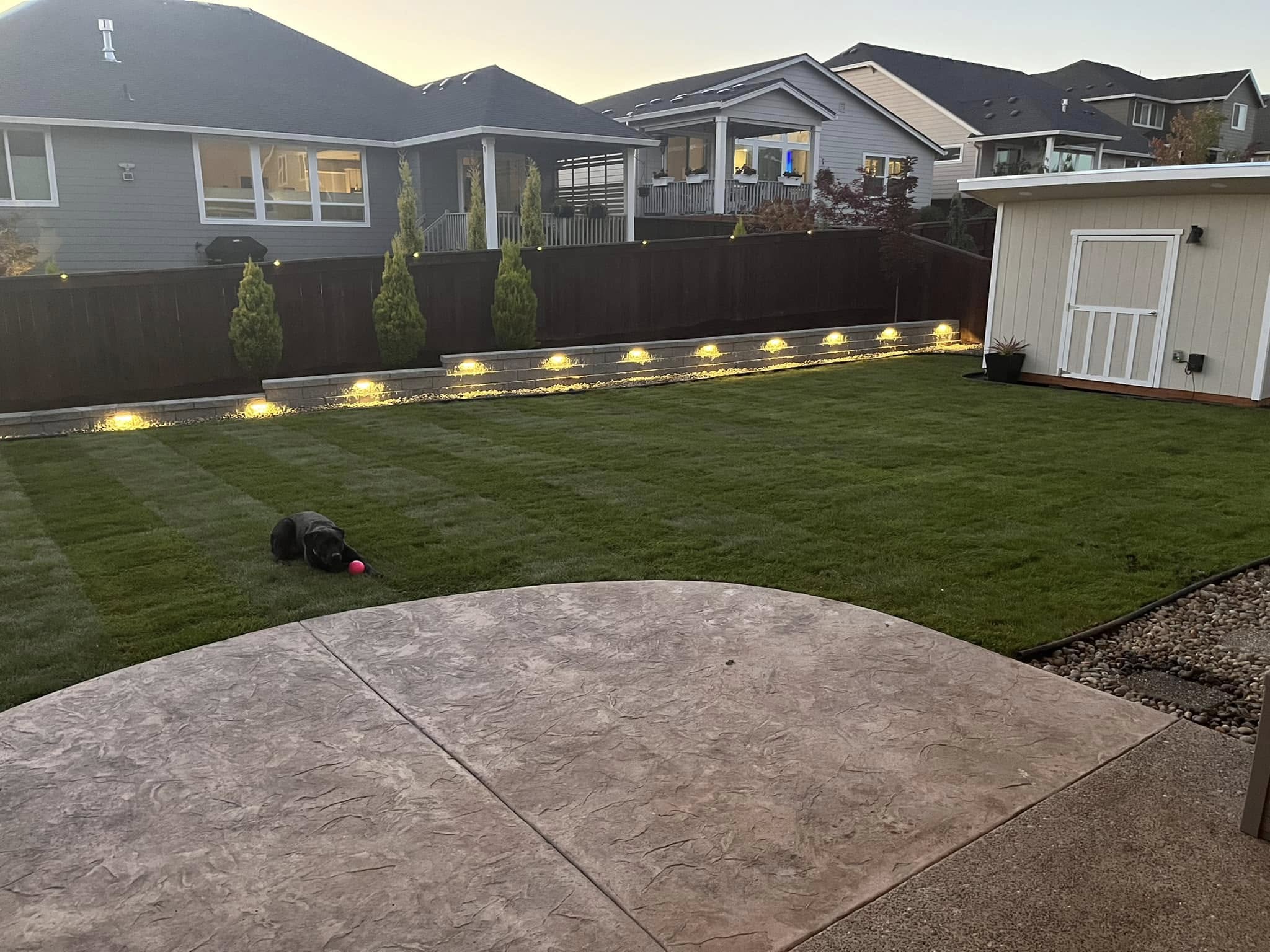
The Art of Layering: Techniques for a Multi-Dimensional Garden Design Jan 17, 2026
To get started with layering, it’s important to understand your garden’s microclimate and soil conditions. Begin by sketching a plan that considers your garden’s unique sunlight exposure, wind patterns, and moisture levels. The key is to accommodate the natural characteristics of your landscape to create a thriving environment.
The first step in layering is to establish a foundational canopy layer with trees that suit your garden’s climate. Choose trees that provide structure and support for underplantings while offering seasonal interest. Deciduous trees with beautiful foliage in the fall or evergreens that provide year-round color are excellent choices. These trees form the uppermost layer, offering shade and reducing the heat of summer days.
Beneath the canopy, introduce a mid-layer of shrubs and tall perennials. This layer provides a transition from the tall tree canopy to the lower ground covers. Use a variety of textures, shapes, and colors to add depth and interest. Shrubs like hydrangeas and lilacs not only enhance the aesthetic appeal but also attract pollinators. Consider including a few hardscape elements, like birdbaths or garden sculptures, to break the monotony and add a focal point.
Next, focus on the ground layer with low-growing plants and ground covers. This layer fills in the gaps, reducing weed growth and conserving moisture. Use plants like hostas or creeping thyme that thrive in the shade created by the upper layers. This creates a lush carpet effect that is both functional and beautiful.
Incorporate pathways and stepping stones to guide the eye and foot traffic through the garden. Hardscaping elements like a brick path or a stepping stone trail not only define areas and prevent soil compaction but also contribute to the garden’s overall aesthetic. These paths should gently curve to lead visitors through your garden, offering new vistas and surprises around every corner.
Layering is also about experimenting with seasonal changes. Select a mix of evergreens and deciduous plants to ensure year-round interest. For example, spring bulbs such as tulips and daffodils can provide bursts of color after the winter chill, while summer-flowering perennials offer vibrant hues in the warmer months.
Concluding this endeavor, remember that the art of layering is not static. Gardens evolve, plants mature, and maintenance is necessary to keep the design flowing. Regular pruning, seasonal planting, and soil care are crucial to preserving the harmony of your layered garden design.
At Churape And Son's Landscaping, we are passionate about crafting outdoor spaces that reflect nature’s beauty and our clients' desires. By utilizing the art of layering, we can help you create a garden that is both an oasis of tranquility and a work of art. Whether you’re beginning a new garden from scratch or revitalizing an existing landscape, our expert team is ready to assist you every step of the way.
/filters:no_upscale()/filters:format(webp)/media/890e7384-3637-41f3-bfb2-265c78d4dd1b.jpg)
/filters:no_upscale()/filters:format(webp)/media/34e873fa-00f7-435a-9d0d-8c50f3bb55c9.jpeg)