Low-Maintenance Landscape Design: Tips for Effortless Beauty Jan 13, 2026
Begin by prioritizing native plants that naturally thrive in your region's climate and soil conditions. Native plants are better adapted to local weather patterns, which means they require less water, fertilizer, and pest control compared to non-native species. Moreover, these plants support local wildlife, promoting a healthy and balanced ecosystem in your garden. When considering your options, consult local garden centers or landscaping experts like Churape And Son's Landscaping to make informed choices about which species will best suit your space.
A key component of a low-maintenance landscape is efficient irrigation. Consider installing a drip irrigation system or soaker hoses, which deliver water directly to the root zones, reducing evaporation and runoff. Automation is another critical factor; programmable timers can ensure your garden is watered consistently without having to think about it. Optimizing your watering schedule to early morning or late evening will further minimize water loss and keep your plants thriving.
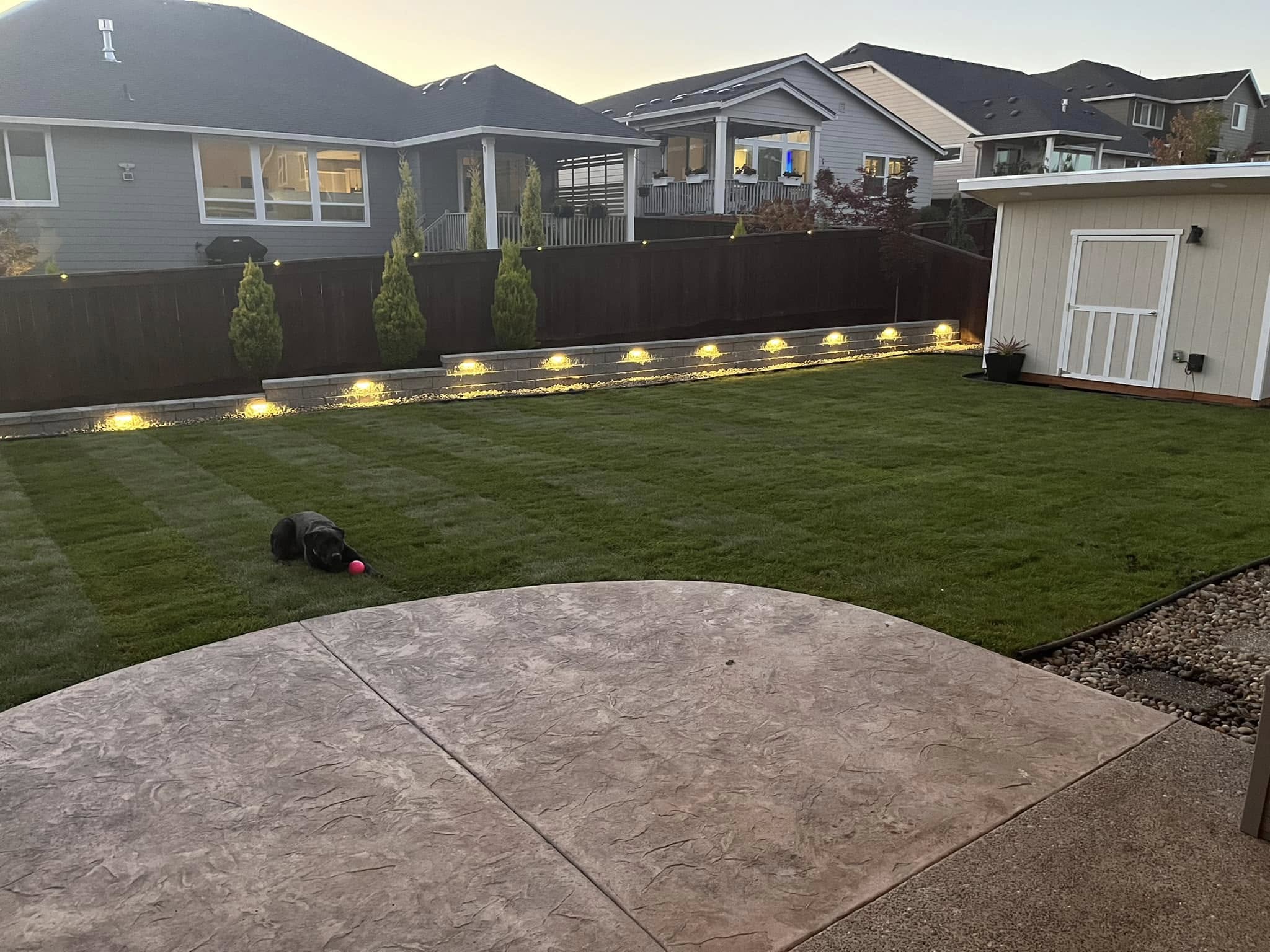
Incorporating hardscaping elements such as mulch, gravel, or decorative rocks can dramatically reduce the need for constant gardening work. A layer of mulch helps suppress weeds, retains soil moisture, and adds a polished look to your flowerbeds. Gravel pathways and rock gardens, meanwhile, add visual interest and durable surfaces that require little maintenance. When thoughtfully integrated, these features can enhance the landscape's aesthetics and functionality.
Simplifying your plant palette is another powerful strategy. Focusing on a few plant varieties that showcase different textures, colors, and heights can create a harmonious yet intriguing landscape. Not only does this approach make the landscape easier to manage, but it also promotes a cohesive and intentional design. When selecting plants, consider those that are drought-tolerant or low-water-use species to further streamline maintenance.
Edging and defining areas of your landscape is crucial for keeping everything neat and organized. Well-defined borders prevent grass from creeping into garden beds and keep different sections of your landscape distinct. Using stone, brick, or metal edging can offer both functional and aesthetic benefits, adding a finishing touch to your garden design.
As you plan your landscape design, think about the long term. Slow-growing plants and shrubs might take time to mature, but they ultimately require less pruning and maintenance. If you're unsure about the growth patterns or care requirements of specific plants, our team at Churape And Son's Landscaping is ready to provide expert guidance to ensure your landscape stands the test of time with minimal effort.
In summary, achieving a low-maintenance landscape involves a combination of strategic plant selection, smart irrigation solutions, and thoughtful design elements. By prioritizing native plants, utilizing efficient irrigation techniques, embracing hardscaping, and maintaining a simple plant palette, you can create an outdoor space that is both beautiful and easy to care for. With these insights, you can transform your landscape into a haven of effortless beauty, allowing you to spend more time relaxing and less time working.
/filters:no_upscale()/filters:format(webp)/media/890e7384-3637-41f3-bfb2-265c78d4dd1b.jpg)
/filters:no_upscale()/filters:format(webp)/media/34e873fa-00f7-435a-9d0d-8c50f3bb55c9.jpeg)