Landscape Harmony: Designing Gardens with Color, Texture, and Shape Jun 17, 2026
The foundation of a well-balanced garden is color. Incorporating a variety of hues can create striking visual interest and evoke various emotions. Consider the mood you want to set in your landscape. Bright colors like reds, oranges, and yellows can generate energy and excitement, making them perfect for spaces where gatherings occur. On the other hand, cooler shades such as blues, purples, and greens can instill a sense of calm and relaxation, ideal for meditation spots or quiet retreats.
When selecting plants, flowers, and accessories, think about how colors can work together. Complementary colors, those opposite each other on the color wheel, can create vibrant contrasts that catch the eye. Alternatively, analogous colors, which sit next to each other, provide a more harmonious and soothing effect. Consider seasonality as well, choosing plants that offer changing colors throughout the year to keep your garden engaging and dynamic.
Texture adds depth and complexity to your landscape. It’s about the feel and look of materials and plants in your garden. Think soft, fuzzy leaves that beg to be touched, rough, spiky foliage that provides a dramatic contrast, or smooth, shiny surfaces that reflect light. To create a rich tapestry of textures, combine a mix of plant varieties. For instance, pair the feathery fronds of ferns with the stiff, glossy leaves of succulents. This textural diversity not only enhances visual interest but also encourages biodiversity, attracting a variety of wildlife to your garden.
Beyond plants, consider the texture of hardscape elements. Stone pathways, wooden arbors, and metal sculptures can all contribute unique textures that complement or contrast with natural elements. Carefully choosing materials will ensure that every component of your garden contributes to a cohesive look.
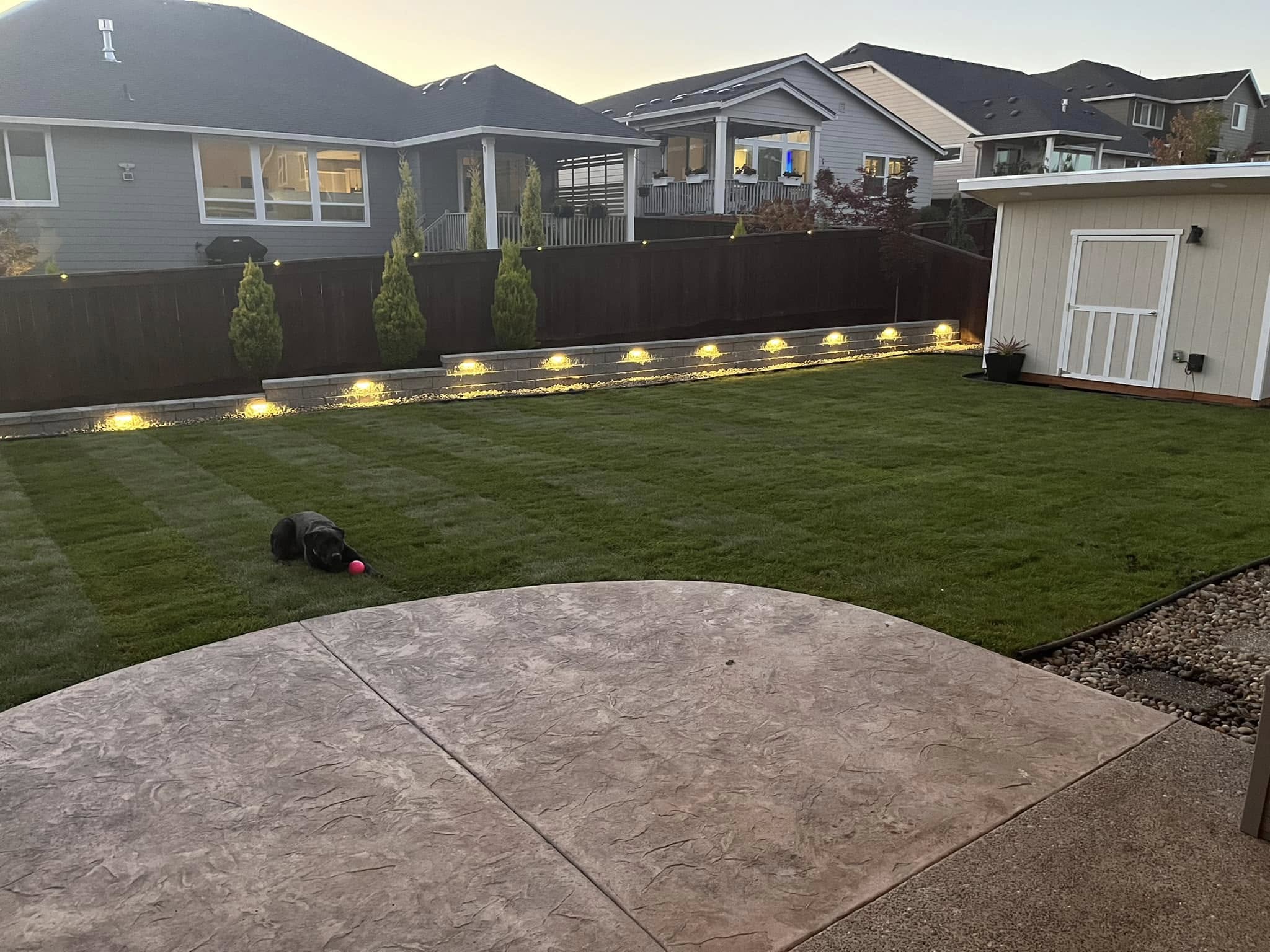
Shape and form are also crucial in landscape design. Shapes can guide the flow of movement through the garden and create focal points. Curved pathways and rounded plant beds can soften a landscape and make it feel welcoming. In contrast, angular designs with sharp lines and geometric shapes can impart a more formal and structured appearance.
Think strategically about the height and structure of plants. Tall trees can serve as backdrops or natural walls, whereas low groundcover plants can fill spaces between larger plants, preventing weeds and uniformity. Vertical elements like trellises or sculptures can draw the eye upward, adding dimension to flat landscapes.
Designing a landscape that harmoniously balances color, texture, and shape is both a science and an art. Churape And Son's Landscaping aims to help you create a garden that doesn’t just look good but also feels like a personal retreat. By thoughtfully combining these elements, you can craft an evolved outdoor space that resonates with your aesthetic and brings year-round enjoyment.
Contact us to transform your garden into a vibrant masterpiece. Our experienced team can provide the creativity and expertise you need to achieve landscape harmony. Whether you're looking for advice or full-scale landscape design, we’re here to help make your vision a reality.
/filters:no_upscale()/filters:format(webp)/media/890e7384-3637-41f3-bfb2-265c78d4dd1b.jpg)
/filters:no_upscale()/filters:format(webp)/media/34e873fa-00f7-435a-9d0d-8c50f3bb55c9.jpeg)